
Combating spam calls in Mississippi requires a deep understanding of the Telephone Consumer Protection Act (TCPA) and collaboration among businesses, legal experts, local law enforcement, and community leaders. A lawyer for TCPA Mississippi facilitates navigation of these regulations, offering best practices like maintaining consent records and providing opt-out mechanisms. Local businesses play a critical role by identifying affected demographics and implementing strategies like unified blocking systems. Effective communication, educational sessions, and public awareness campaigns empower residents to protect their privacy. Key strategies include monitoring & enforcement, education, automated filtering, and community policies, all underpinned by legal guidance from TCPA Mississippi experts.
In the digital age, telephone spam calls remain a pervasive and frustrating issue for Mississippi residents and businesses alike. With countless automated messages inundating phone lines daily, combating this nuisance has become an urgent matter. The Telephone Consumer Protection Act (TCPA) of 1992 offers protections against such unwanted calls, but enforcing these laws can be complex. This article explores effective strategies for collaboration between local businesses and residents to combat spam calls, with a particular focus on leveraging the expertise of a lawyer for TCPA Mississippi to ensure compliance and protect consumer rights. By joining forces, communities can create a robust defense against this modern-day nuisance.
Understanding Mississippi's Anti-Spam Laws: A Lawyer's Guide

In Mississippi, combating spam calls requires a deep understanding of the state’s anti-spam laws, particularly those related to the Telephone Consumer Protection Act (TCPA). As a lawyer for TCPA Mississippi, it is crucial to comprehend these regulations to ensure effective collaboration with local businesses. The TCPA prohibits automated or prerecorded calls to residential telephone lines without prior express consent, offering substantial penalties for non-compliance. Given Mississippi’s stringent enforcement of the TCPA, a collaborative approach between businesses and legal experts can significantly reduce spam calls.
Business owners in Mississippi should be aware that they share responsibility for minimizing unwanted calls with their customers. Collaborating with a lawyer for TCPA Mississippi enables them to implement best practices, such as maintaining accurate consent records, providing clear opt-out mechanisms, and training employees on call handling procedures. For instance, a lawyer can assist in drafting comprehensive privacy policies and terms of service that outline the company’s commitment to respecting consumer choices regarding calls. This proactive approach not only helps businesses avoid legal repercussions but also fosters trust with their clients.
Moreover, working together with local law enforcement agencies and industry peers can create a robust defense against spam call perpetrators. Lawyers experienced in TCPA Mississippi can facilitate these collaborations by offering specialized knowledge on identifying illegal calling patterns, gathering evidence, and pursuing litigation when necessary. For example, a collective effort could involve sharing data on common spam callers, leading to more targeted and effective legal actions. By combining legal expertise with community involvement, Mississippi can establish a robust framework to combat spam calls effectively.
Identifying Local Businesses: Key Partners in the Fight

In the ongoing battle against spam calls, local businesses play a pivotal role as key partners in Mississippi. With the Telephone Consumer Protection Act (TCPA) serving as the legal framework, identifying and collaborating with these organizations is essential to effectively combat unwanted robocalls. Mississippi residents often face an overwhelming influx of automated calls, making community-driven efforts crucial for meaningful relief. By fostering partnerships between local businesses, telecom providers, and consumer protection groups, a robust defense against spam calls can be established.
Local businesses, from retail stores to restaurants, often possess unique insights into consumer behavior and preferences. They are on the front lines, interacting directly with customers, and thus, they can provide valuable data on call patterns and consumer irritations. For instance, a local coffee shop might notice a surge in complaints about marketing calls during peak hours, indicating that certain demographics are more affected than others. This information is invaluable for tailoring anti-spam strategies. Moreover, these businesses can serve as ambassadors for TCPA Mississippi, educating customers on their rights and empowering them to take action against spam callers.
Collaborative efforts can be formalized through joint initiatives, such as industry associations or local business networks dedicated to combatting spam. For example, a coalition of restaurants in Jackson could implement a unified system to block and report spam calls, leveraging collective resources for better effectiveness. By sharing data and best practices, these partnerships can enhance the overall success of anti-spam campaigns. Engaging with local businesses not only improves call filtering but also fosters trust among residents, ensuring that their efforts are aligned with legal guidelines set forth by a lawyer for TCPA Mississippi.
Building Alliances: Effective Communication Strategies

Building alliances with local businesses is a powerful strategy to combat spam calls in Mississippi, leveraging collective efforts to mitigate this growing issue. Effective communication strategies are key to fostering these partnerships, ensuring everyone involved understands the goals and benefits of collaboration. A unified front against spam calls can create a safer, more enjoyable environment for residents, fostering trust within the community.
One successful approach involves hosting informational sessions where business owners can learn about the Telephone Consumer Protection Act (TCPA) and its implications in Mississippi. These gatherings provide a platform for lawyers specializing in TCPA Mississippi to offer insights on identifying and preventing spam calls. For instance, discussing do-not-call list maintenance, automated call identification, and legal ramifications of non-compliance can empower business owners to take proactive measures. By sharing real-world examples and case studies, attendees gain practical knowledge applicable to their operations.
Open lines of communication are vital. Establishing regular meetings or creating dedicated communication channels allows for ongoing dialogue and prompt addressing of concerns. For instance, a shared online forum where businesses can post suspected spam call incidents, along with relevant call records, facilitates quick analysis and collective decision-making. This collaborative environment promotes a faster response to emerging trends in spam calling tactics, ensuring everyone stays ahead of the curve.
Additionally, leveraging each business’s unique reach and customer base amplifies the impact of anti-spam campaigns. Local restaurants, retailers, and service providers can utilize their customer interactions to disseminate information about spam calls, encouraging customers to report suspicious activities. This bottom-up approach, combined with legal guidance from TCPA Mississippi experts, creates a robust network dedicated to eradicating spam calls, ultimately enhancing the quality of life in Mississippi communities.
Legal Framework: TCPA Mississippi and Its Implications
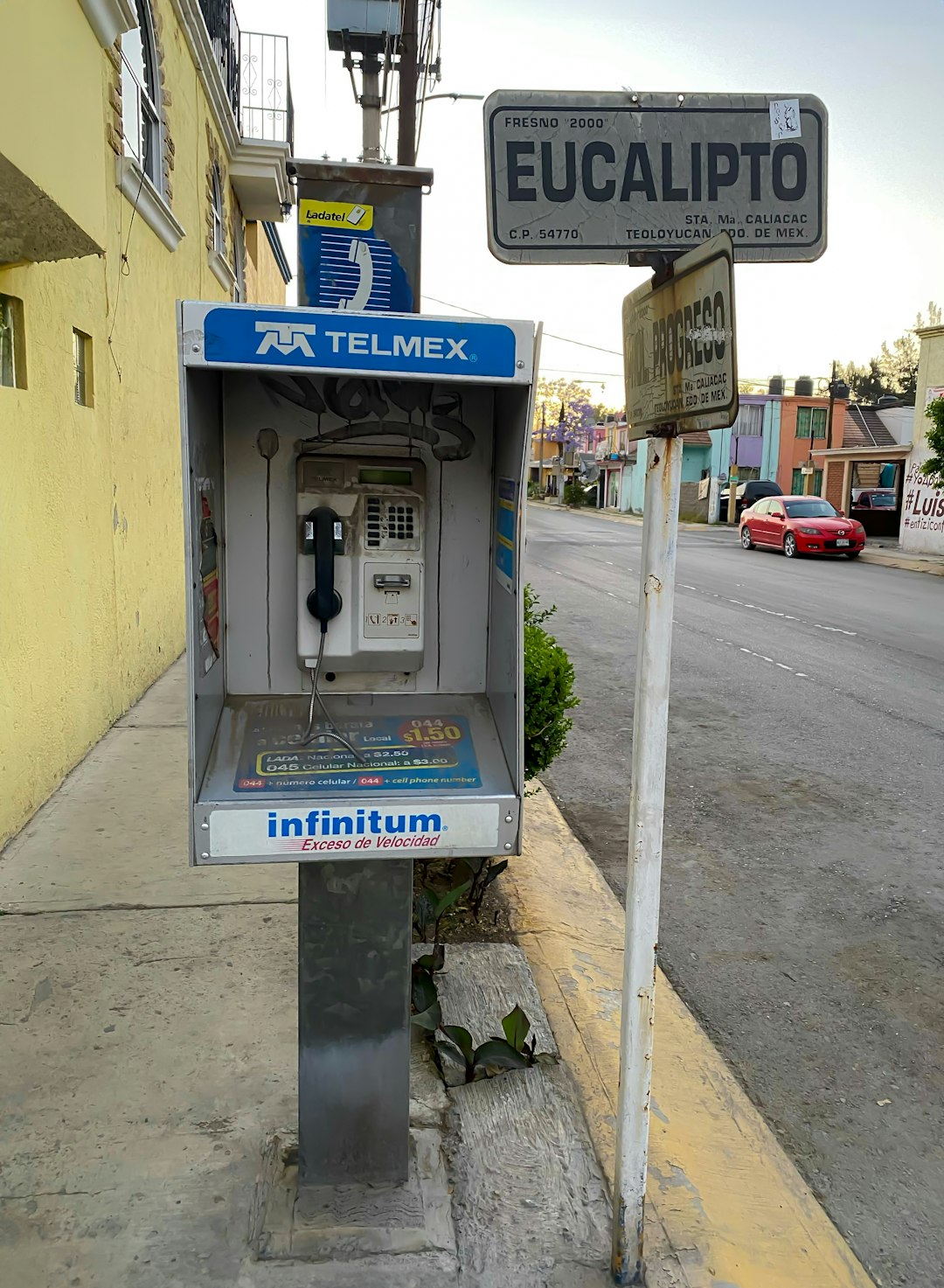
In Mississippi, combating spam calls necessitates a strategic approach, particularly when leveraging partnerships with local businesses. The Telemarketing Consumer Protection Act (TCPA) of 1991 serves as the cornerstone for regulating telemarketing activities across the nation, including Mississippi. This federal legislation, enforced by the Federal Communications Commission (FCC), restricts the use of automated dialing systems and prerecorded messages without prior express consent from recipients. Mississippi’s implementation of the TCPA includes specific rules and penalties for violations, underscoring the importance of adhering to these guidelines when collaborating with local businesses.
When local businesses join forces to combat spam calls, they collectively strengthen consumer protection measures. For instance, a cooperative effort among retailers, service providers, and communication experts can lead to the development of robust do-not-call lists tailored for Mississippi residents. By sharing data and resources, these partnerships can enhance the accuracy and effectiveness of blocking unwanted calls. Furthermore, engaging with community leaders and legal experts, such as a lawyer specializing in TCPA Mississippi, is vital. These professionals can provide guidance on staying within the legal boundaries, ensuring that collaborative efforts are not only effective but also compliant.
A practical example of this collaboration involves creating a state-wide database of registered consents and restrictions, accessible to all participating businesses. This centralized system ensures that telemarketers targeting Mississippi residents obtain proper authorization, significantly reducing spam calls. Regular reviews and updates of this database by legal counsel are essential to keep up with evolving TCPA regulations. Moreover, public education campaigns, co-organized by local businesses and lawyers, can empower citizens to make informed choices regarding their privacy preferences, further solidifying the fight against spam calls.
Monitoring and Enforcement: Ensuring Long-Lasting Success
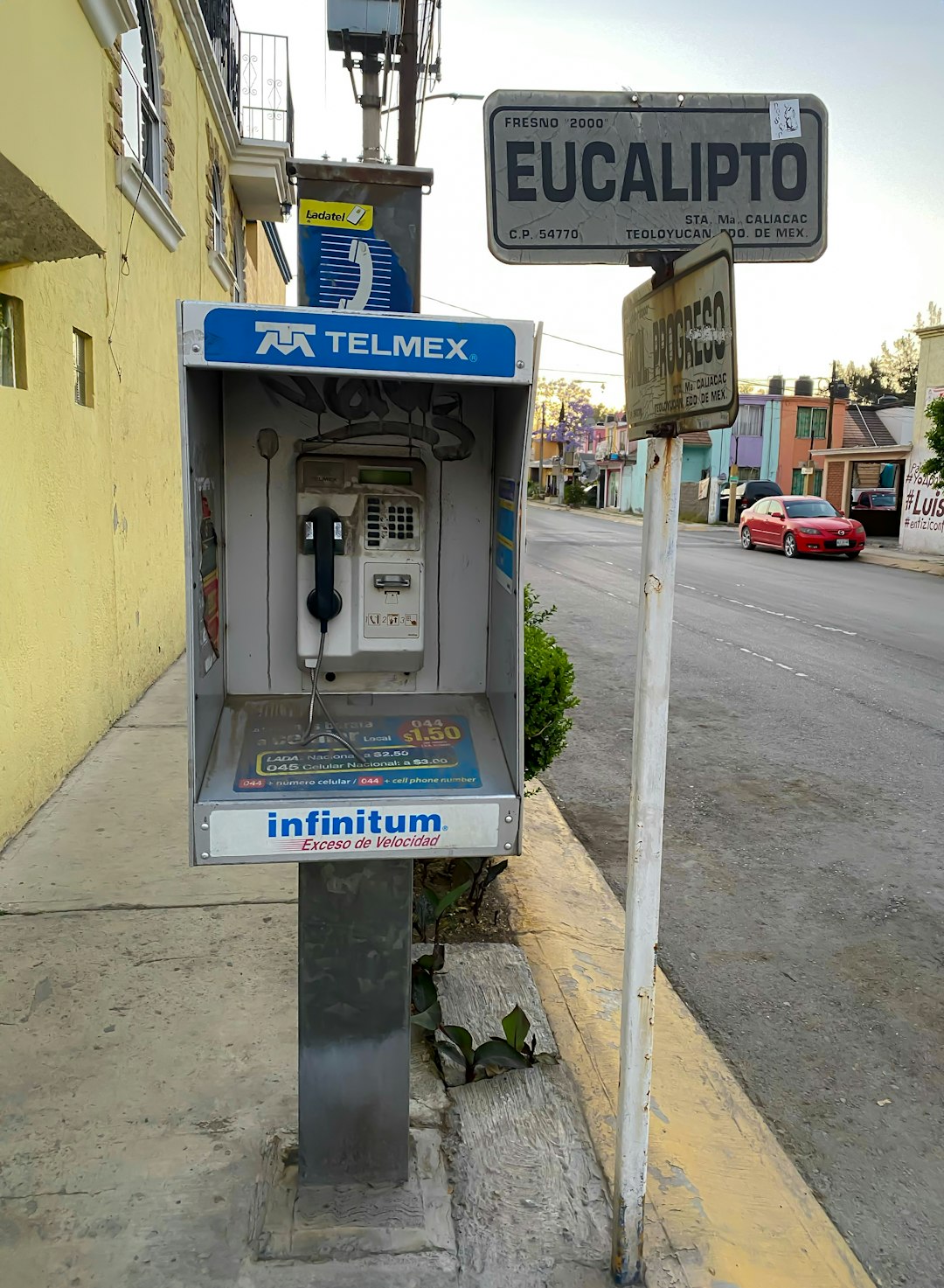
Collaboration between local businesses and community members is a powerful strategy to combat spam calls, especially when it comes to enforcing regulations like the Telephone Consumer Protection Act (TCPA). Mississippi residents face significant challenges from unsolicited phone marketing, which often leads to harassment and fraud. To address this issue effectively, a coordinated effort is necessary. One crucial aspect of this collaboration is monitoring and enforcement, ensuring that anti-spam measures are not just in place but also consistently applied.
Local businesses can play a pivotal role in monitoring spam call trends by sharing data and insights. For instance, a collective analysis of call patterns can help identify specific areas or demographics targeted by scammers. This information is invaluable for law enforcement agencies and lawyers specializing in TCPA Mississippi cases. They can use these insights to target educational campaigns and legal actions, ensuring that businesses and residents alike are aware of their rights and protections under the TCPA. Regular monitoring also enables swift action against repeat offenders, discouraging malicious call centers from targeting Mississippi’s citizens.
Enforcement strategies should be multi-faceted. Business associations or community groups can organize workshops and awareness programs to educate members on blocking spam calls and identifying fraudulent attempts. Collaborating with telecomm companies to implement automated filtering systems is another effective step. Additionally, a lawyer for TCPA Mississippi can assist in drafting robust community policies that explicitly prohibit unauthorized telemarketing practices. Consistent enforcement of these policies will deter potential violators and reinforce the message that spam calls will not be tolerated in Mississippi.